
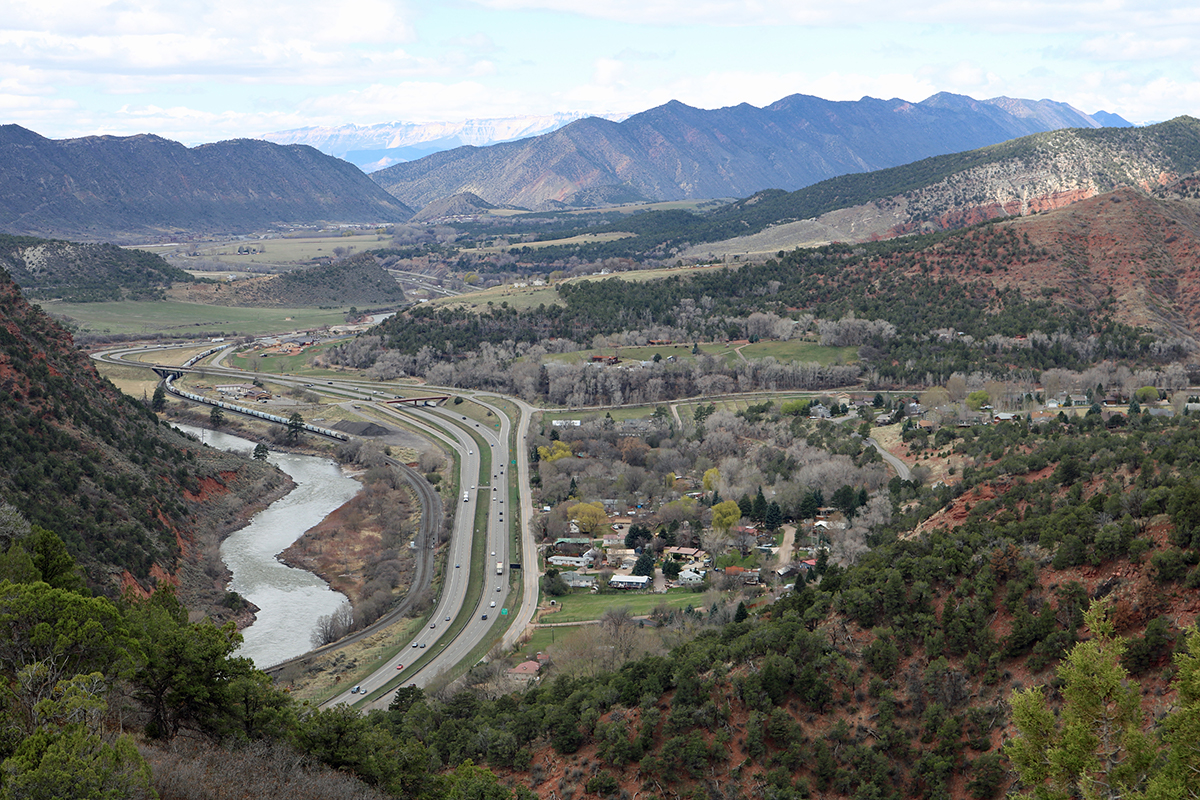
With outdoor recreation in its east and fossil-fuel resources on the west, can Garfield County develop an economy that serves both ends?Continue readingAstride Two Wests, Colorado County Faces a Tricky Economic Balance

In 1919, a difficult cross-country trek made the case for better roads in the West. The roads came, but a hundred years later, Central Nevada may be as isolated as ever.Continue readingU.S. Route 50 Was the Best Way to the Pacific; Now, It’s a Road to the Past

As was true a half century ago, forces in Washington, D.C. want to loosen emission requirements and strip California of its ability to impose tough standards for vehicle emissions, and once again, California officials are fighting back.Continue readingCalifornia’s Vehicle Emissions Fight Continues a 50-Year Struggle

As field hands rethink traveling to the U.S., some farmers have been forced to watch their produce rot in the fields. Many others are cutting back acreage.Continue readingA ‘Climate of Fear’ Accelerates Existing Labor Shortages on California’s Farms
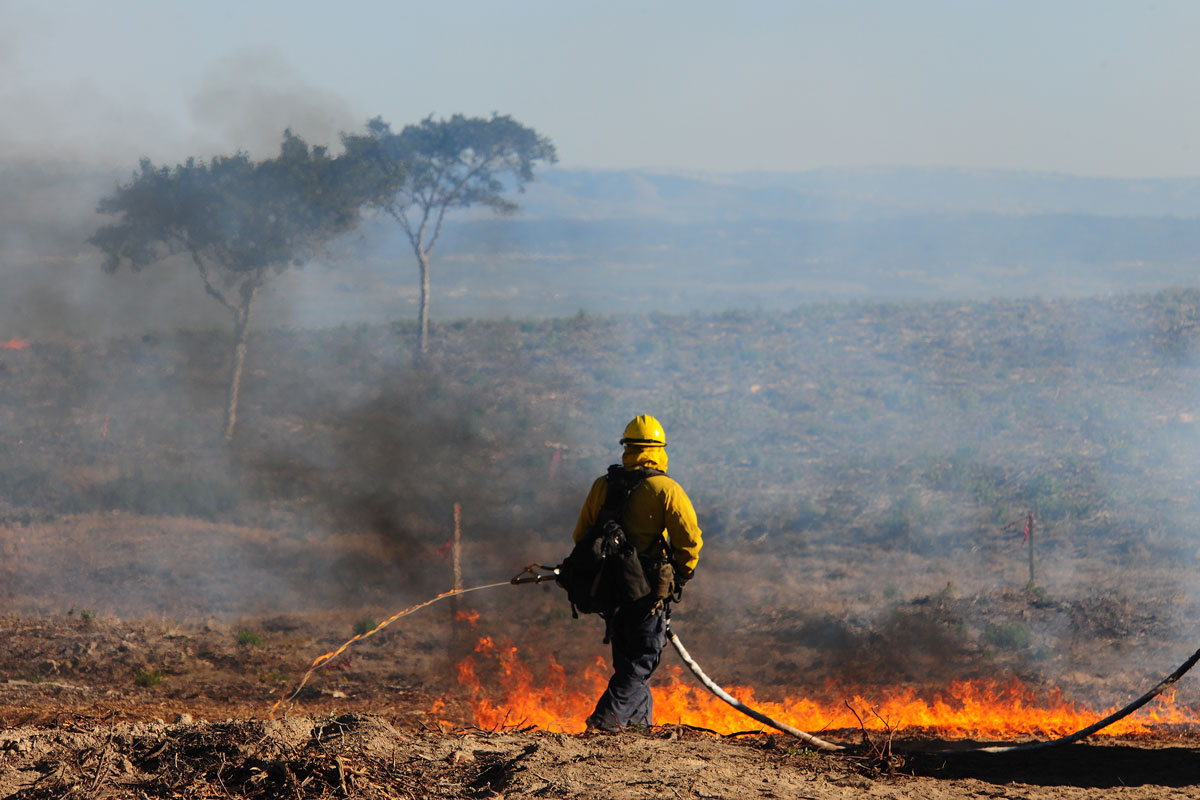
An academic study supports the notion that one way to mitigate wildfires is clearing out trees, brush and brambles in the forest understory, often with prescribed burns. But proponents face a slew of obstacles, from pollution concerns and shrinking seasonal windows, to the vast scale of undertreated western forestland.Continue readingGaining in Public Acceptance, Can Prescribed Fires Head Off Devastating Wildfires?
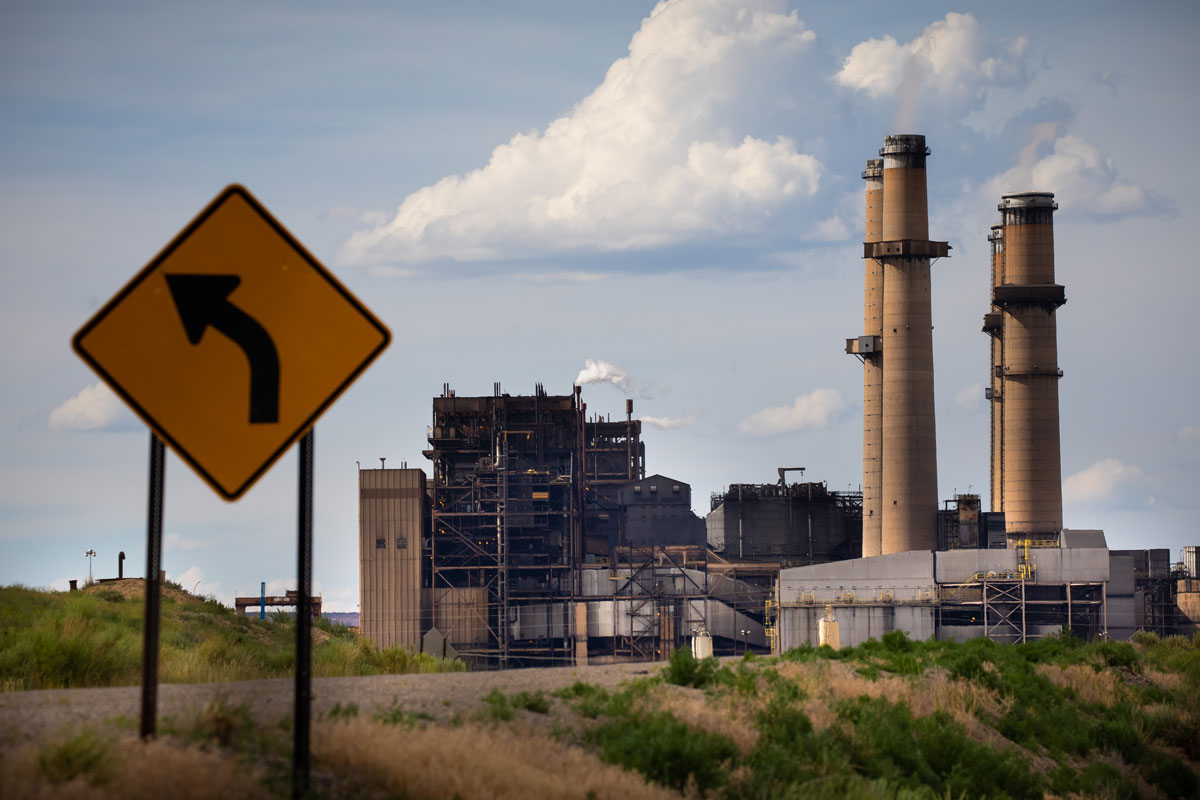
With the state committed to decarbonizing its electricity supply by 2045, Farmington’s coal-fired power plant and mine are set to shut down. Faced with the loss of their largest employer, city leaders are considering whether to get behind an uncertain carbon-capture technology, or turn to renewables and the tourist economy. Continue readingAs Plant Faces Closure, New Mexico City Weights Bet on Clean Coal Technology

With new rules coming into effect, farmers and municipalities using groundwater must either find more water to support the aquifers or take cropland out of use. To ease the pain, engineers are looking to harness an unconventional and unwieldy source of water: the torrential storms that sometimes blast across the Pacific Ocean and soak California. Continue readingPutting a Tempest into a Teapot: Can California Better Use Winter Storms to Refill its Aquifers?

Forty percent of food produced for consumption never gets eaten, instead filling landfills and releasing greenhouse gases. With a recent law, California aims to drastically reduce the amount of food that ends up in the ground. Continue readingWhen Sustenance Becomes a Pollutant: California Aims to Steer Wasted Food from Landfills

In Utah, outdoor recreation is more and more of a booming business. Its impact on the land is still being understood, but there are few limits in sight.Continue readingCattle or Tourists? Utahns Debate Which Is Harder on Public Lands

Green power source or fish killer? As older dams around the West come up for relicensing, their owners know that they’ll have to spend heavily to fix problems, while new energy sources are getting cheaper.Continue readingAs Relicensing Looms, Aging Dams Face a Reckoning